Straight answers about debt
How debt, collections, and relief programs actually work. No sales pitch inside the articles.
 If you read one, read this How long will it take to pay off my credit card debt? Your minimum payment shrinks every month. Following it down is what turns a five-year balance into a thirty-five-year one. Read the guide 4 min read
 Start here
4 guidesWhat your debt actually costs, and the moves that work before anything else.
-
 How to get out of credit card debt without a loan Borrowing your way out is the advice everyone gives first. Here is what works when you do not want more debt. 5 min read
 -
 Debt snowball vs. avalanche: which one finishes faster Avalanche always pays less interest. The gap is smaller than the argument about it suggests. Run both on your own balances and see what it is worth. 4 min read
 -
 What is a good debt-to-income ratio? The number lenders and relief programs use to size up your situation, what each range signals, and how to work out yours in about a minute. 3 min read
 -
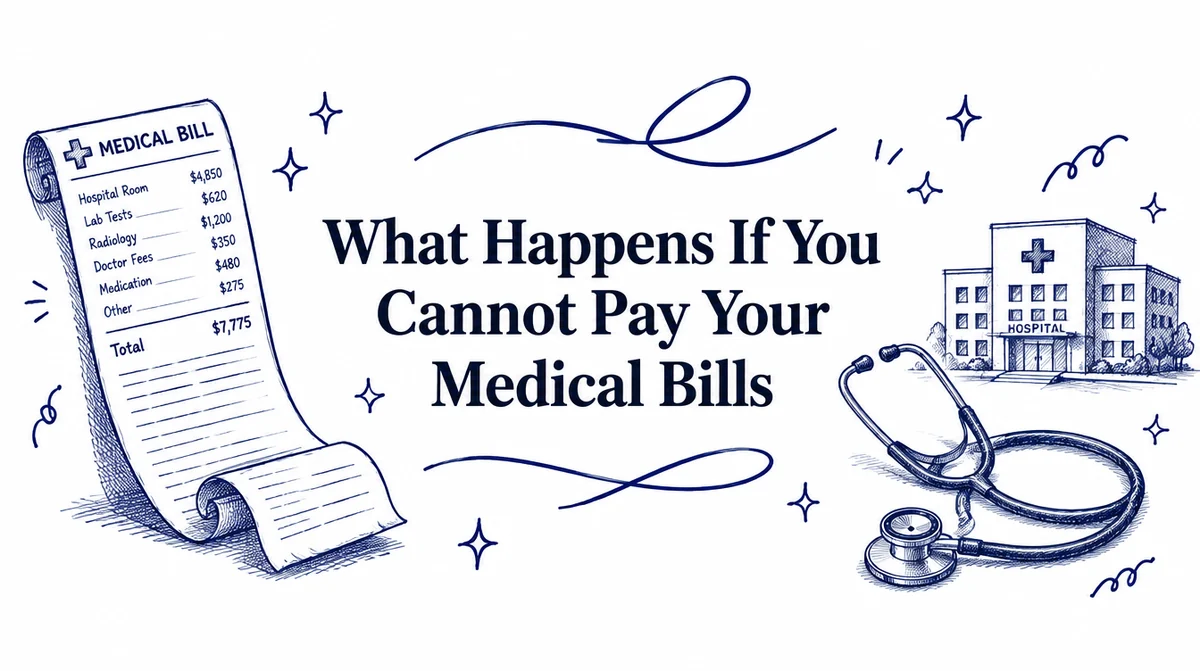 What happens if you cannot pay your medical bills Medical debt has protections other debt does not, and a charity care right most people never use. Also: what actually shows on your credit report in 2026. 5 min read
Understanding your options
6 guidesSettlement, consolidation, and bankruptcy, with what each one costs and what each one breaks.
-
 Debt settlement vs. consolidation vs. bankruptcy Four paths out of unmanageable debt, what each one costs, and what each one breaks. Real numbers on a $30,000 balance, not a pitch for any of them. 8 min read
 -
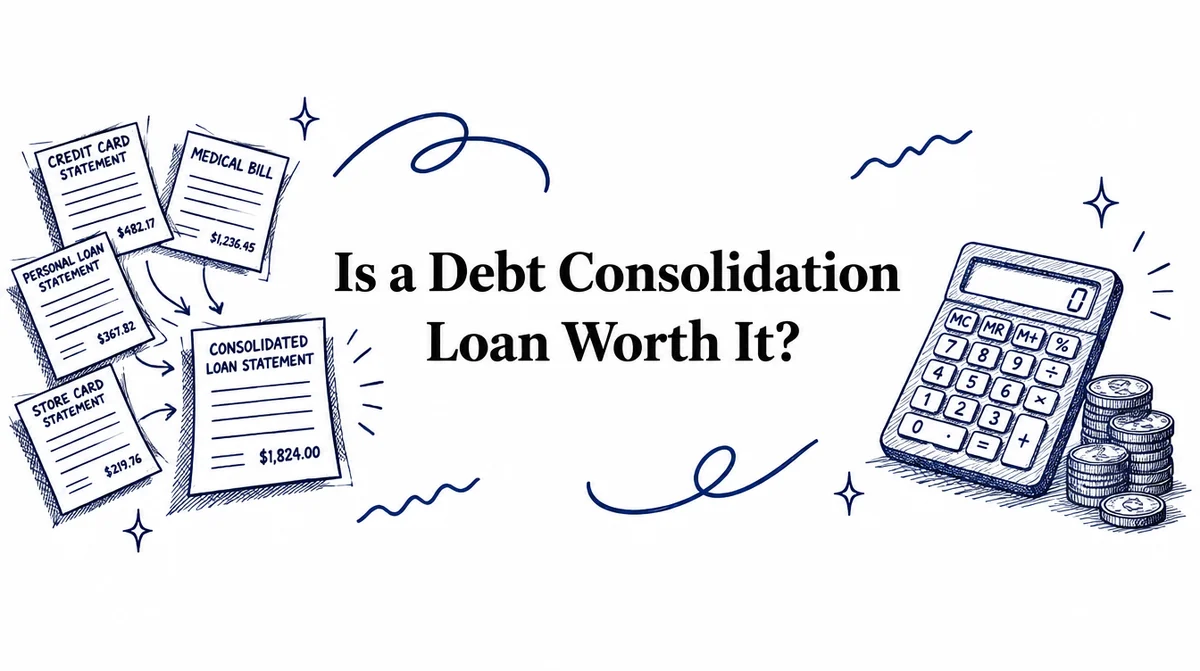 Is a debt consolidation loan worth it? Sometimes it saves thousands. Sometimes it costs more than doing nothing at all. The rate and the term decide, and one of them is where people get caught. 6 min read
 -
 Is debt settlement a scam? How to tell a real company from a predator Federal law already bans the most common predatory practice. Knowing that one rule screens out most bad actors in a single question. 4 min read
 -
 Chapter 7 vs. Chapter 13 bankruptcy: which one applies to you One wipes qualifying debt in a few months. The other reorganizes it over three to five years. Your income and what you own decide which is even available. 6 min read
 -
 How debt relief companies get paid Fee structures, the federal rule that bans charging you upfront, and what to demand in writing before you sign. How the industry actually makes money. 4 min read
 -
 The 1099-C: why forgiven debt can be taxed, and when it is not Settled debt can count as income. But most people who settle are insolvent when it happens, and insolvency can wipe the tax out entirely. 4 min read
Collections and your rights
3 guidesWhat happens when you fall behind, and what collectors can and cannot do.
-
 What actually happens when you stop paying your credit cards A month-by-month account of the fees, the credit damage, the charge-off at 180 days, and what comes after. 4 min read
 -
 Your rights when a debt collector calls What collectors can do, what they cannot, and the two letters that change the conversation. Your rights under federal law, in plain language. 4 min read
 -
 Statute of limitations on debt, and the trap that restarts it Old debt eventually becomes unsuable. One small payment can restart the clock and undo that. How long your state gives you, and what resets it. 4 min read
When they come after you
3 guidesCourt, your paycheck, and your bank account. What is actually allowed and what is protected.
-
 Can a debt collector sue me? What a lawsuit actually looks like Most collection suits are won by default, not on the merits. Responding is the single action that changes the outcome. 4 min read
 -
 Can a creditor garnish my wages for credit card debt? Yes, but they have to sue you and win first. There is a federal cap, some income they cannot touch at all, and four states where it is barely allowed. 4 min read
 -
 Can a creditor freeze or empty my bank account? Yes, after a court judgment. But if federal benefits are direct deposited, the bank has to protect them on its own, and you do not have to ask. 4 min read
Would rather not read?
Six questions, about three minutes, and we will tell you where you stand and what fits your situation.
See my options